| Cranes and hoists | If no duration is specified in the relevant standard, the maximum duration is generally one year. | Tower cranes fall within the scope of private organisations. The test load, capacity and the Ministry’s equipment-specific criteria are assessed separately. | Relevant machine-related technical titles. | Technical documentation, load information and installation records are required, depending on the equipment and installation. | Tower crane inspections are carried out by an authorised person working inspection body on the relevant equipment. | Review the scope |
|---|
| Forklifts and pallet trucks | If no duration is specified in the relevant standard, the maximum duration is generally one year. | Intensive use, repairs, changes in capacity or incidents affecting safety may require checks to be carried out before the scheduled date. | Relevant machine-related technical titles. | The capacity label, manufacturer’s details and, where necessary, load/test preparation are required. | The general requirement relates to the authorised person; the scope of accreditation must be verified on a service-by-service basis. | Review the scope |
|---|
| Work and lifting platforms | If no duration is specified in the equipment standard, the maximum period is generally one year. | There are specific access and installation regulations for power-driven platforms designed for people with mobility impairments, including suspended access and column-supported systems. | A registered EKİPNET authorised person appropriate for the type of equipment. | Installation, capacity, support system and manufacturer’s documentation are important. | Suspended access is currently in place; the two newly added platform groups are covered by the organisation in accordance with the transition timetable. | Review the scope |
|---|
| Scaffolding | If no duration is specified in the relevant standard, the maximum duration is 6 months. | A re-inspection may be required following installation, significant changes, adverse weather or any incident affecting safety. | Engineers, technical teachers, technicians or senior technicians in the fields of construction and mechanical engineering as listed in the regulations. | The installation plan, support structure, anchorage and conditions of use are assessed. | The authorised person and the scope of the requested service must be verified. | Review the scope |
|---|
| Compressor and air tank | If no duration is specified in the relevant standard, the maximum duration is generally one year. | The type of pressure vessel, the fluid, the manufacturer’s specifications and the applicable test method shall be specified separately. | Engineers, technical teachers and technicians specified in the Regulation on pressure vessels. | Label, operating pressure, volume, safety equipment and previous report are required. | The authorised person’s record in the relevant equipment group and the scope of the organisation must be verified. | Review the scope |
|---|
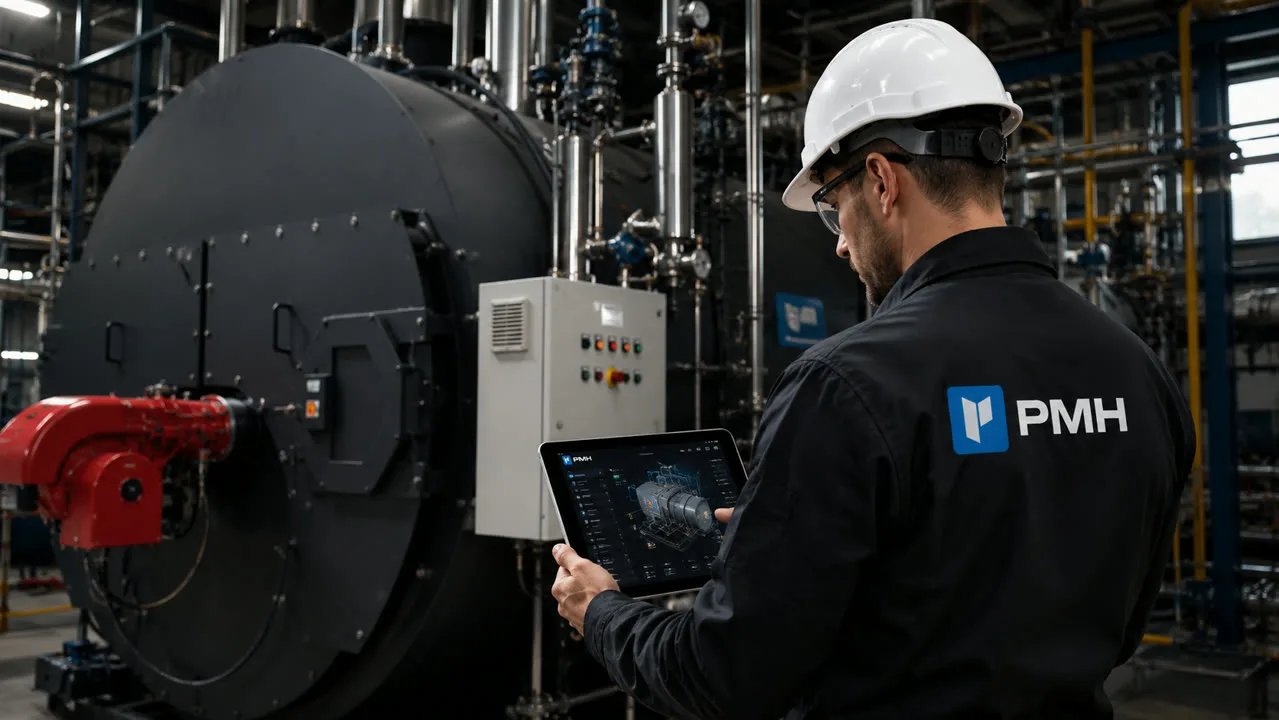
| Steam and hot water boilers | If no duration is specified in the relevant standard, the maximum duration is generally one year. | The steam boiler is one of the new equipment inspection body categories in the 2027 transition timetable; other types of boilers are assessed separately. | Relevant technical titles for pressure vessels. | Labelling, project/technical documentation, operating pressure, fuel and safety component information are required. | The transition to 1 January 2027 must be specifically verified for steam boilers. | Review the scope |
|---|
| Electrical installations | If no duration is specified in the relevant standard, the maximum duration is generally one year. | The facility structure, voltage level, usage and relevant specific regulations may require a shorter or different monitoring schedule. | Electrical or electrical and electronic engineers, and technical titles in the field of electrical engineering as listed in the Regulations. | Yes. If there is no project, it is the employer’s responsibility to ensure that the design complies with legislation and standards. | The authorised person’s record in the electrical team and the applicable scope of accreditation must be verified. | Review the scope |
|---|
| Earthing and lightning protection | If no duration is specified in the relevant standard, the maximum duration is generally one year. | The type of facility and the specific regulations to which it is subject may give rise to different measurement and periodicity requirements. | Authorised persons listed in the Regulations governing the electricity sector. | Yes. Compliance with the installation’s design and relevant regulations is assessed. | Measurement points and the scope of accreditation must be matched prior to the service. | Review the scope |
|---|
| Fire protection systems and detection | If no duration is specified in the relevant standard, the maximum duration is generally one year. | This does not replace the periodic inspection maintenance and functional tests report; mechanical installations and detection systems may fall under separate scopes of authorisation. | The mechanical and electrical/electronic sections are categorised according to the type of system being controlled. | Yes. If there is no project, a design must be commissioned in accordance with the relevant legislation and standards. | Authorisation and scope must be verified separately for both systems. | Review the scope |
|---|
| Ventilation and air-conditioning systems | The period specified in the table and the relevant standard shall apply; the general practice is one year. | System type, process, hygiene or specific site conditions may give rise to different maintenance and measurement requirements. | Technical titles with a machinery focus as listed in the regulations. | Yes. Compliance with the project and scientific/technical requirements are assessed. | Periodic inspections and occupational hygiene assessments should be treated as separate areas of focus. | Review the scope |
|---|
| Benches | Table 4 and in accordance with the applicable standard for the equipment. | The same criteria or test methods are not used for presses, CNC machines, lathes and special-purpose machines. | Technical titles in the fields of mechanical engineering, mechatronics, metallurgy and materials, and manufacturing, as listed in the Regulation. | The machine’s technical documentation, protective system and operating instructions are assessed. | The scope of equipment-based authorisation and accreditation must also be verified. | Review the scope |
|---|
| Industrial shelving and doors | This is determined in accordance with the relevant standard, the manufacturer’s instructions and the conditions of use. | Impact, deformation, settlement or changes in loading may require inspection without waiting for the scheduled inspection date. | Authorised persons in the fields of machinery and construction as listed in the Regulation. | The layout/installation plan, load rating and manufacturer’s information are important. | It should not be assumed that every type of shelf or door falls within the same scope of accreditation. | Review the scope |
|---|
| Construction machinery | This is determined according to the type of equipment, the relevant standard, the manufacturer’s criteria and the conditions of use. | Road vehicle inspections, operator certificates and work equipment are separate periodic inspection obligations. | Engineers, technical teachers and technicians specialising in machinery, as listed in the regulations. | Brand/model, capacity, attachments, intended use and technical documentation are required. | The scope must also be verified for each machine within the same category. | Review the scope |
|---|